





Which stone is best for paving?
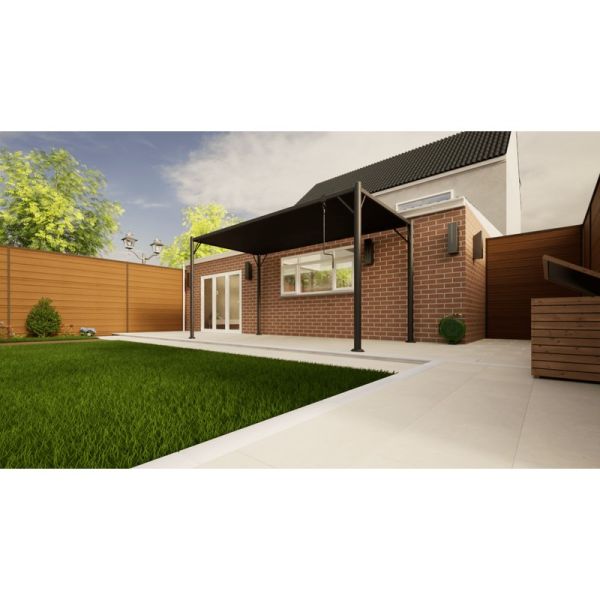
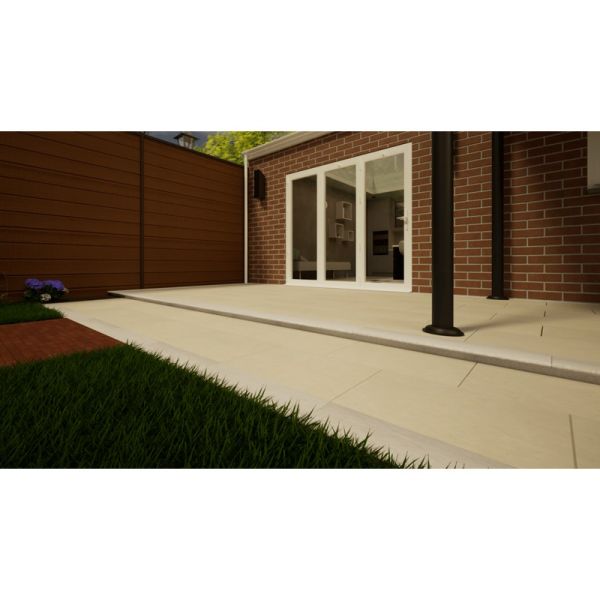
Tough yet easier to work with than other natural stone alternatives, sandstone is known to be one of the best paving materials. Limestone is also a great choice, offering unique contemporary aesthetics.
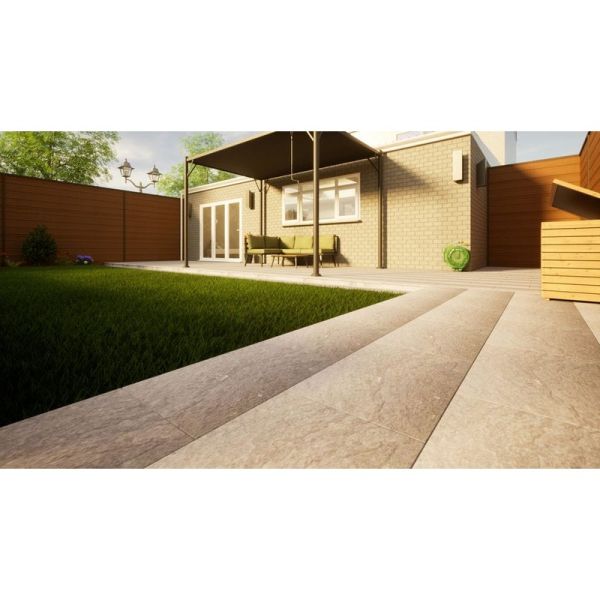
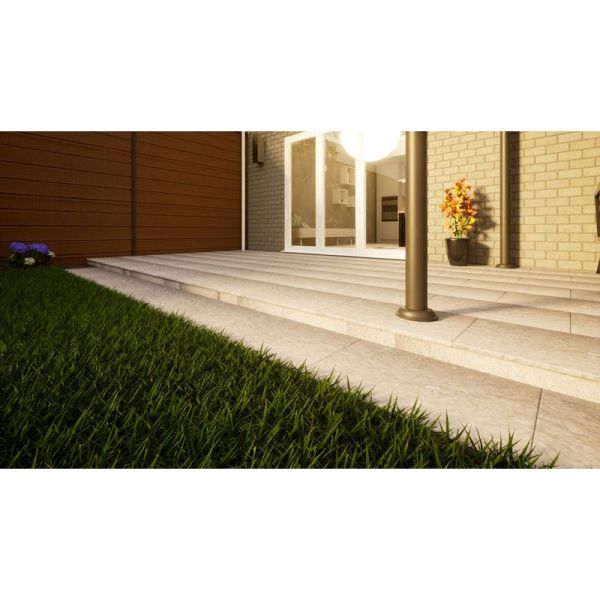
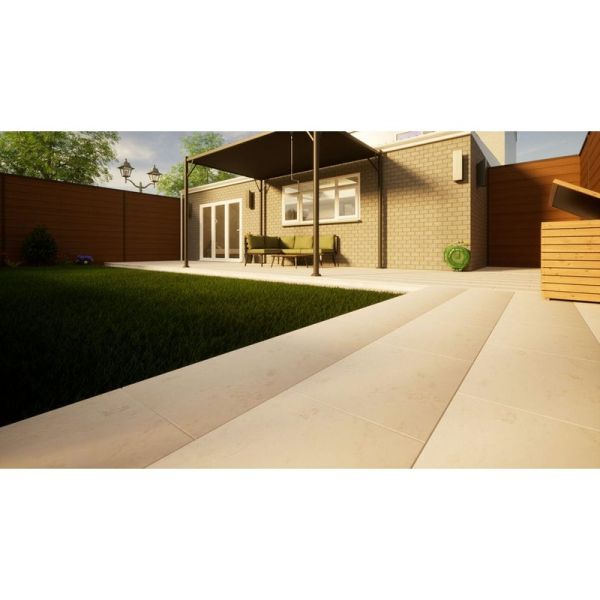
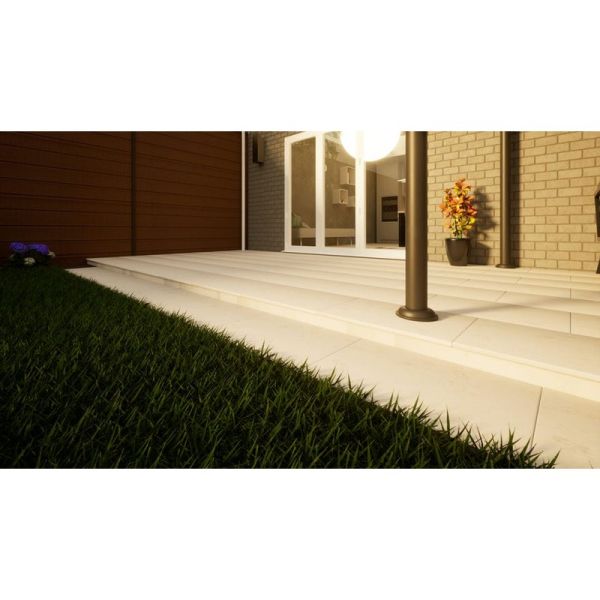
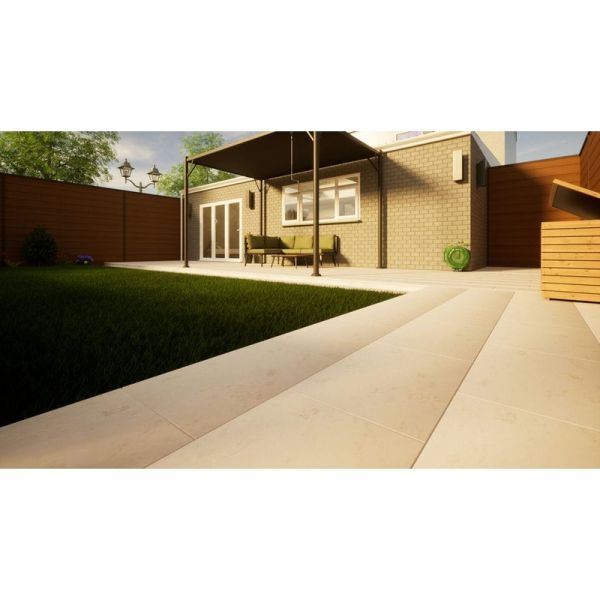
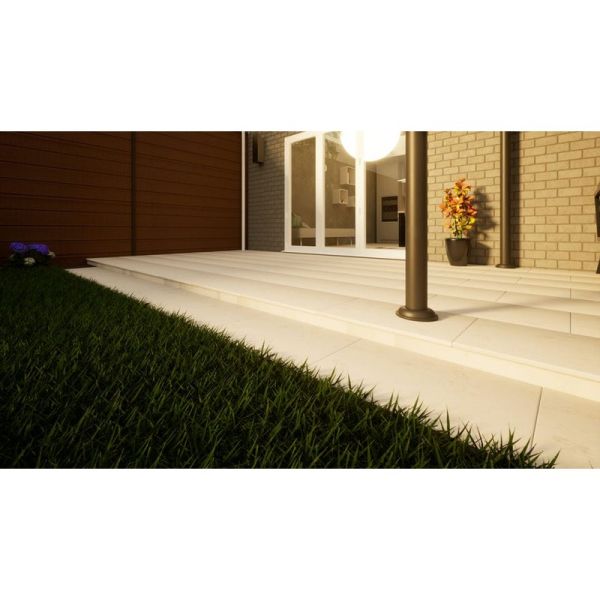
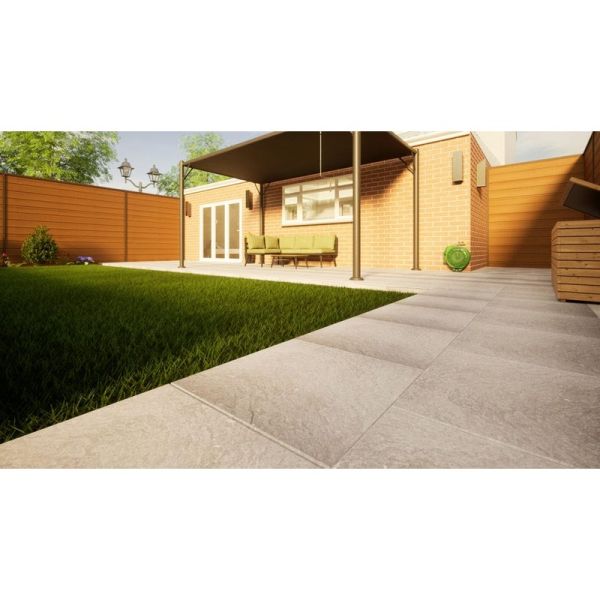
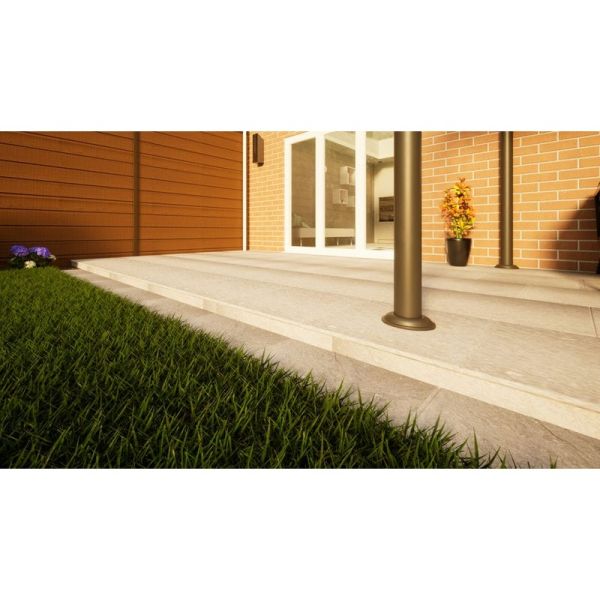
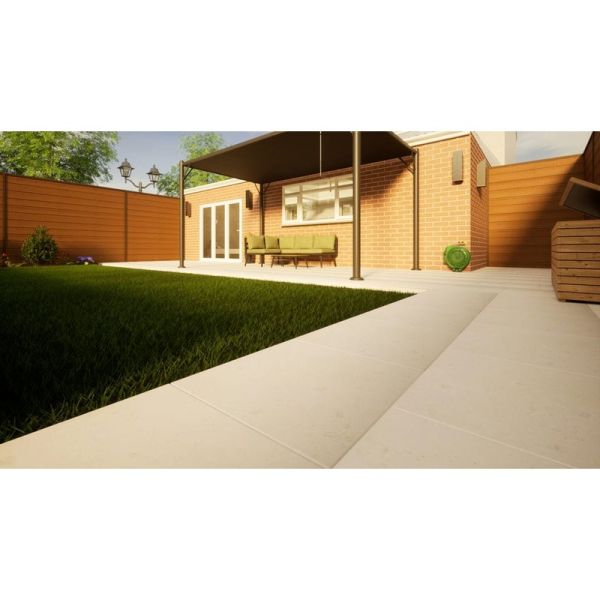
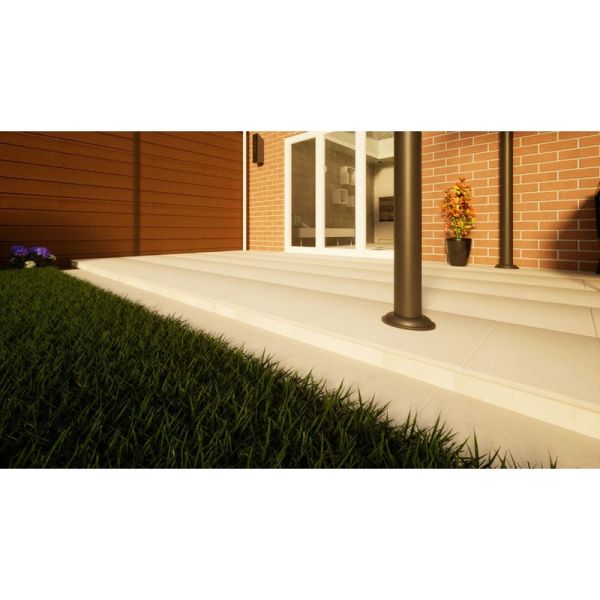
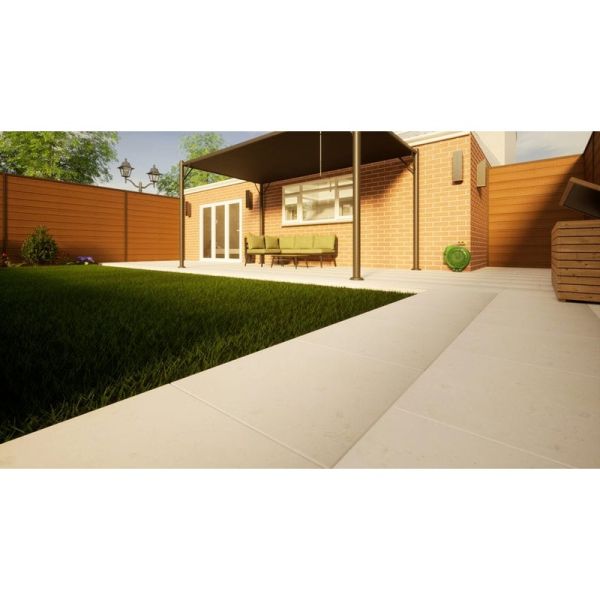
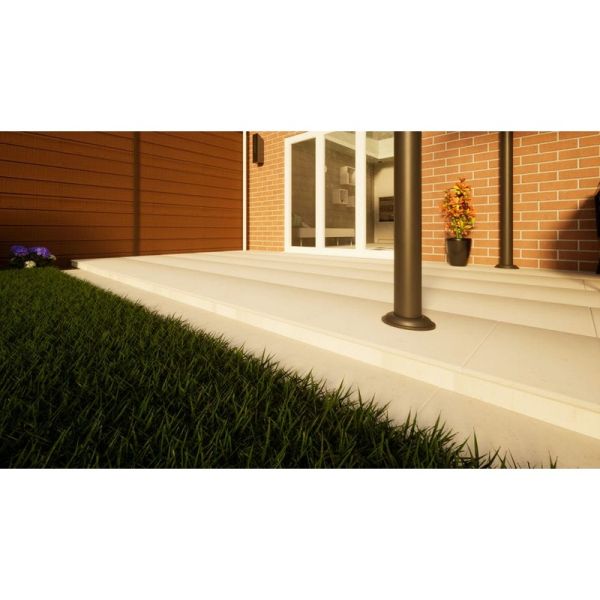
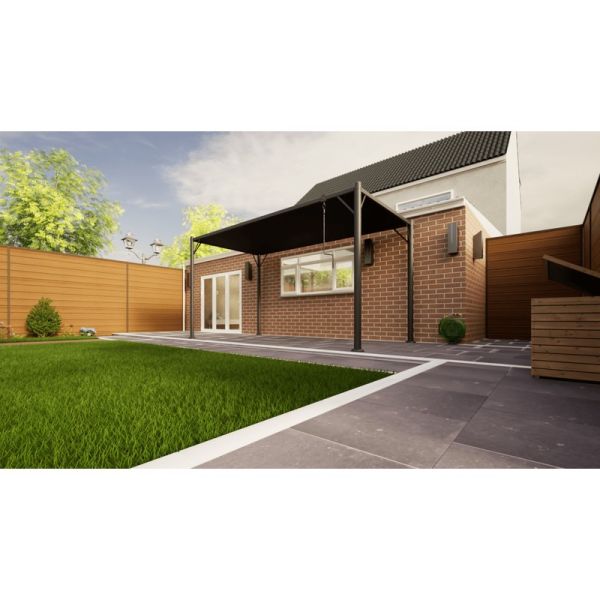
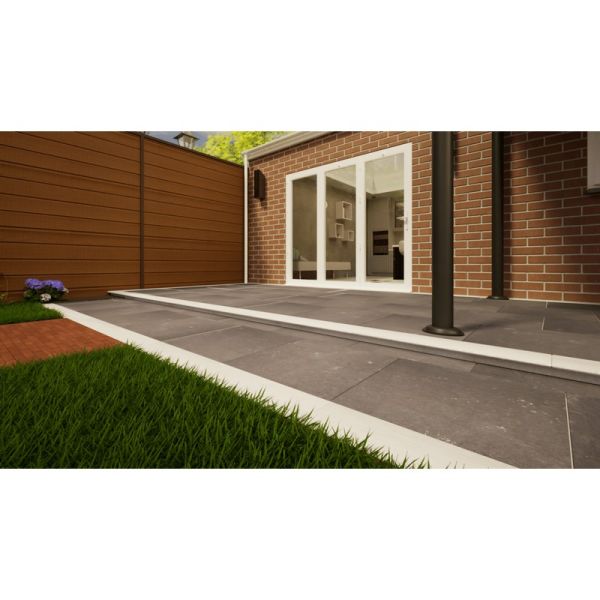
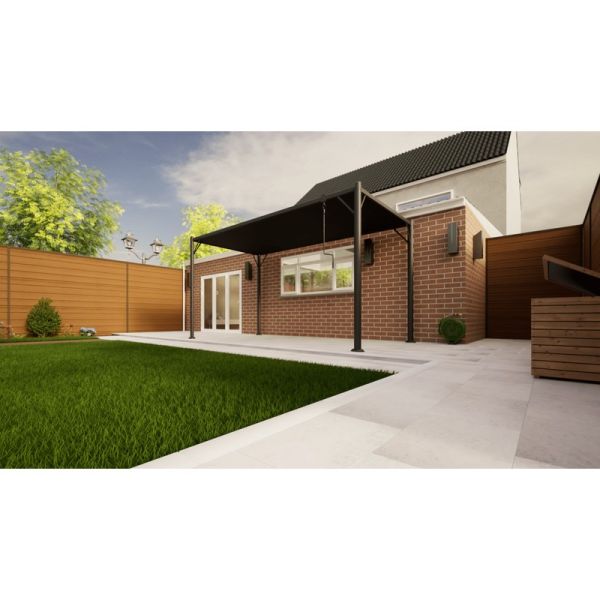
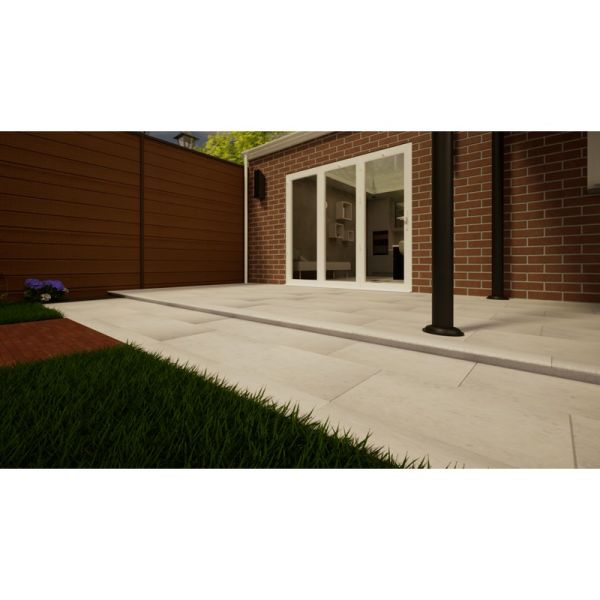
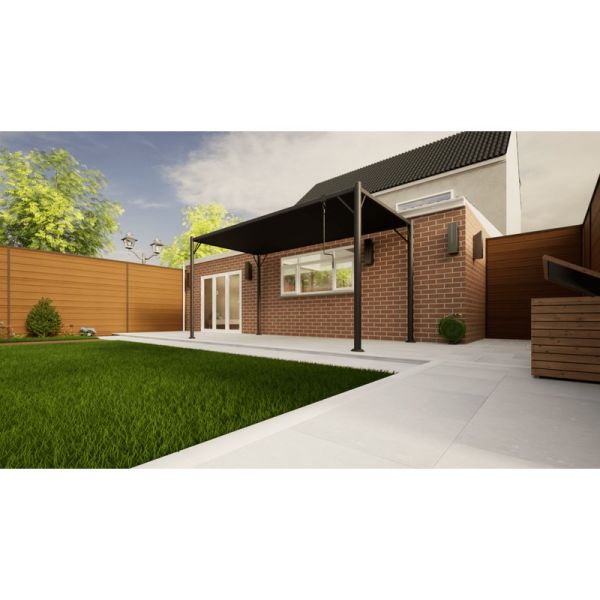
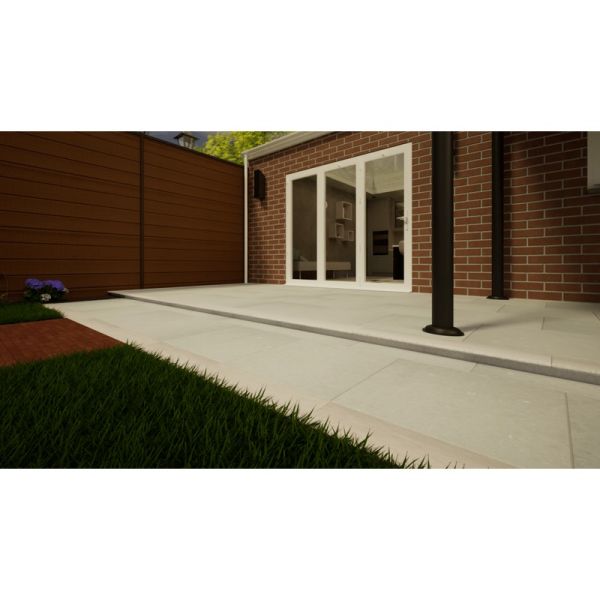
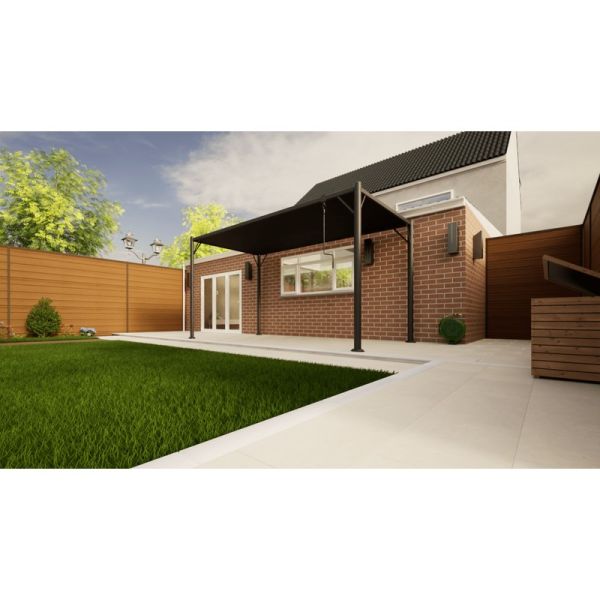
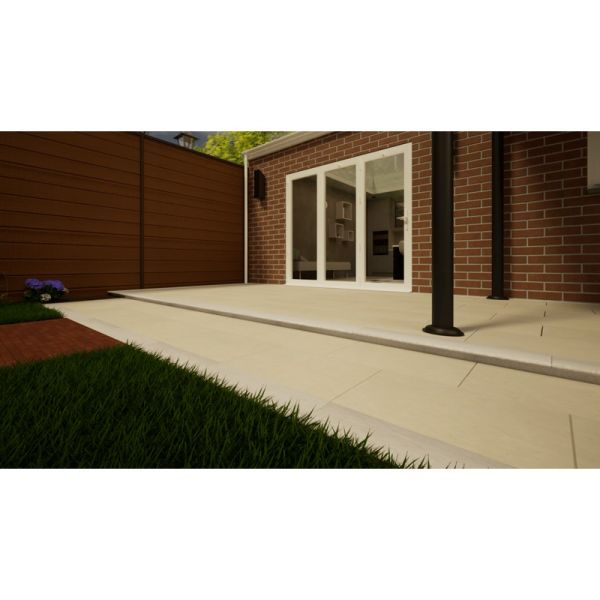
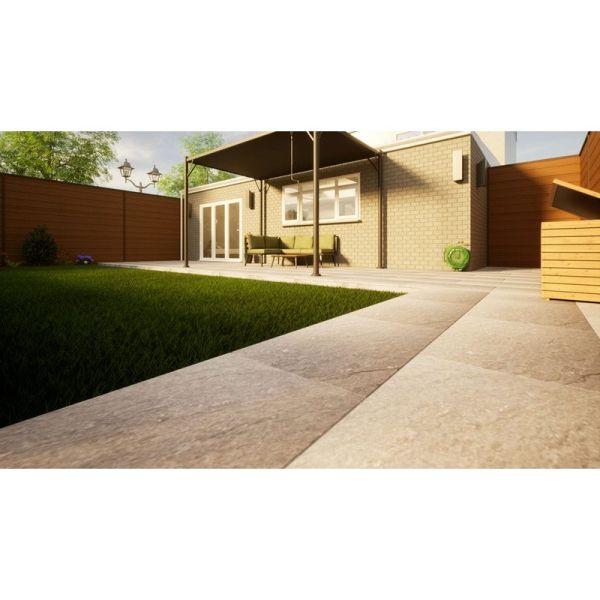
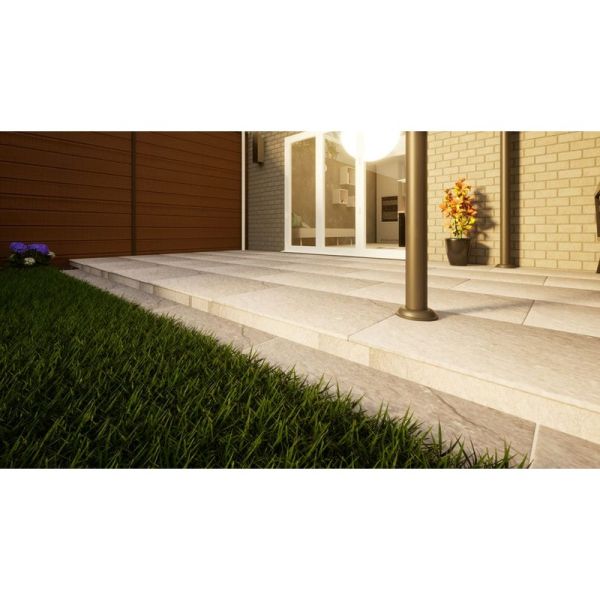
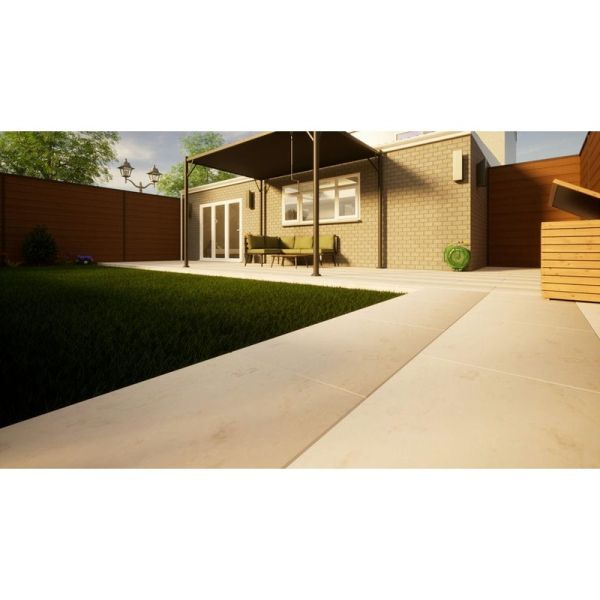
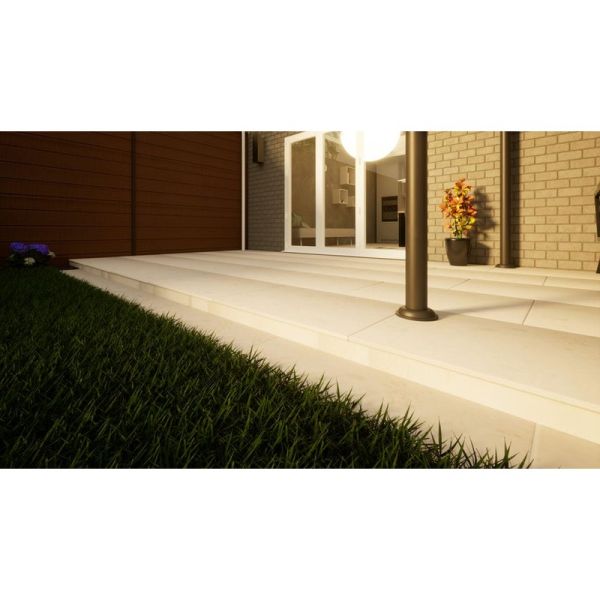
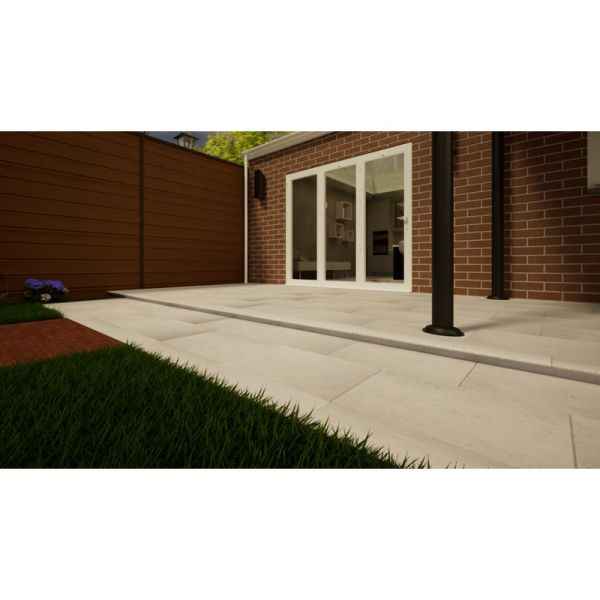
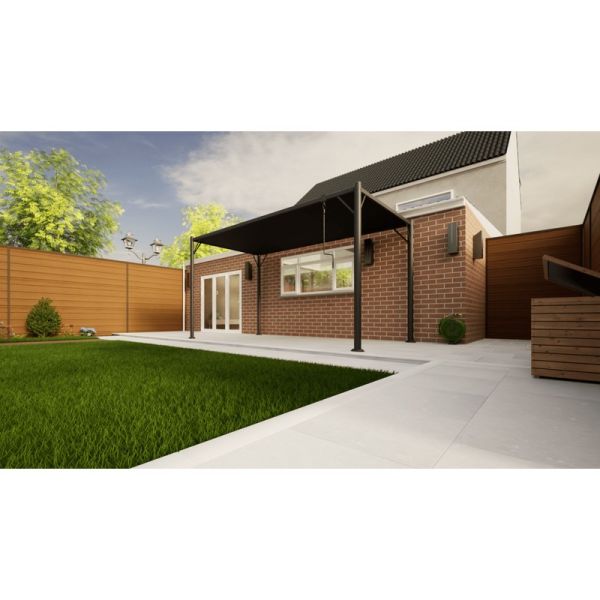
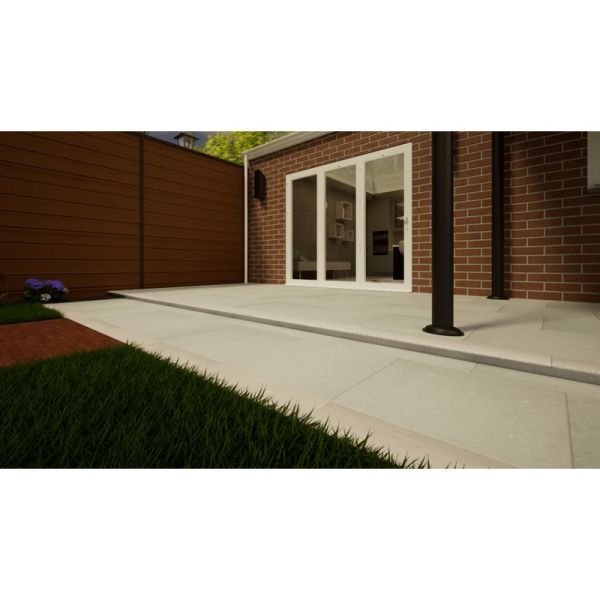
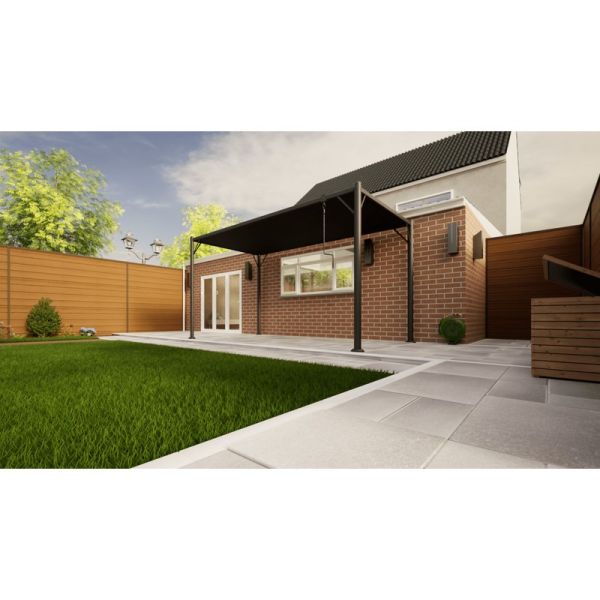
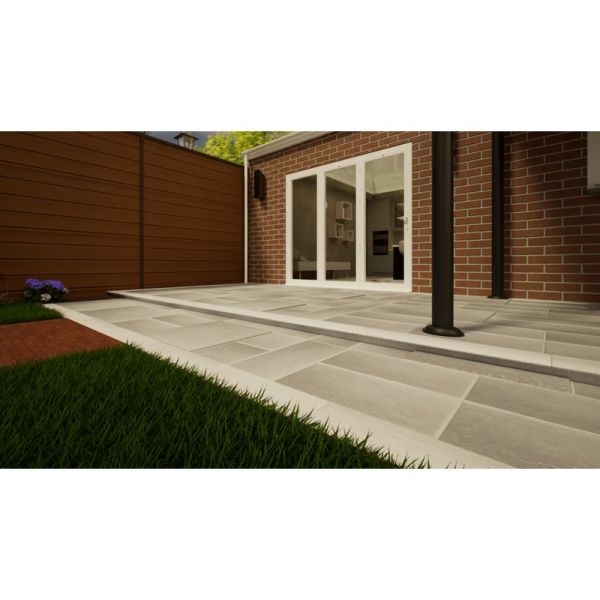
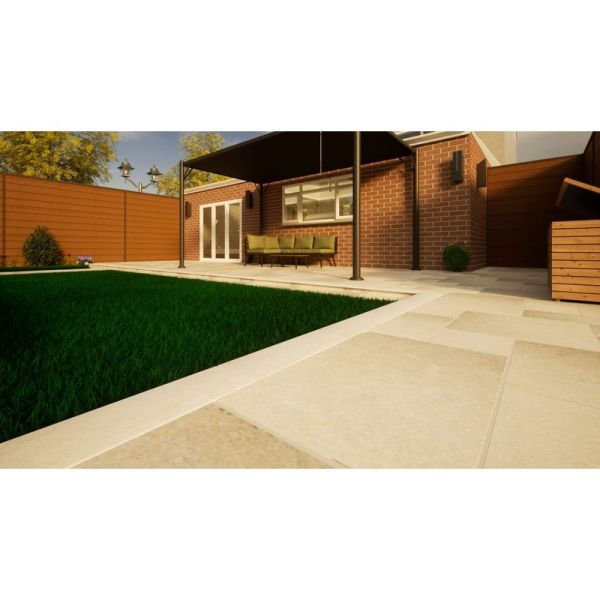
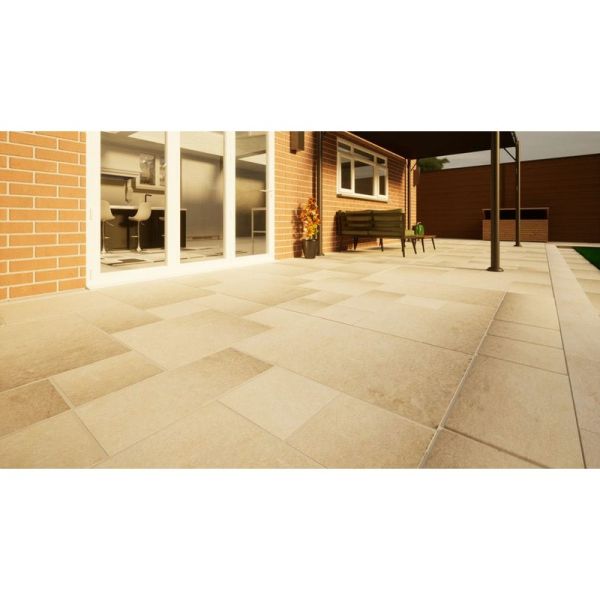
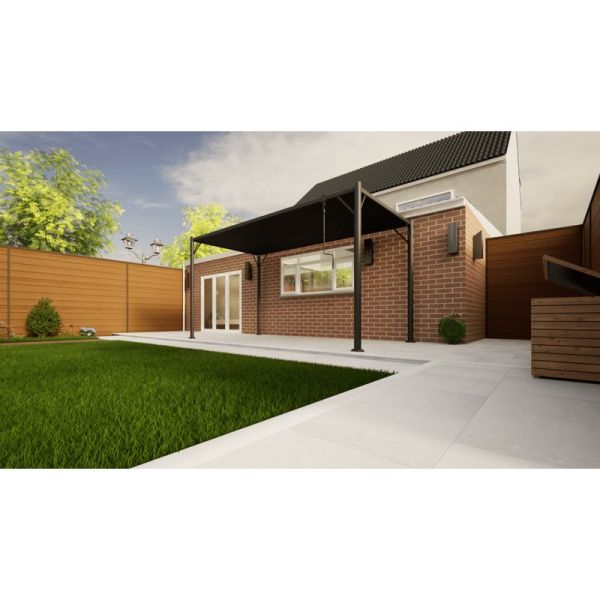
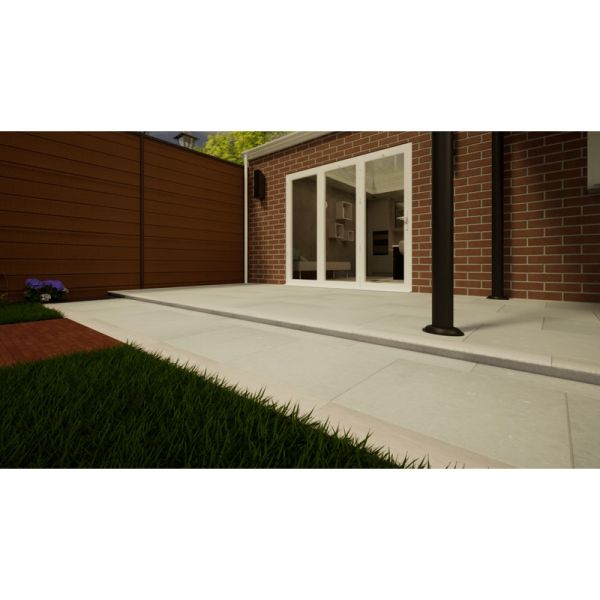
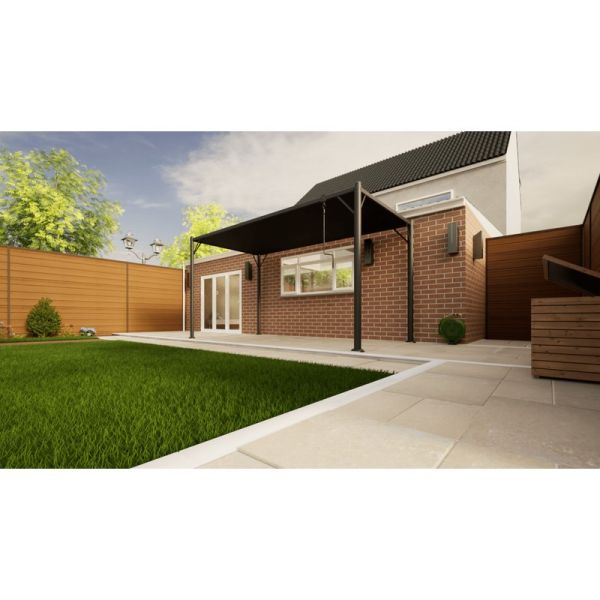
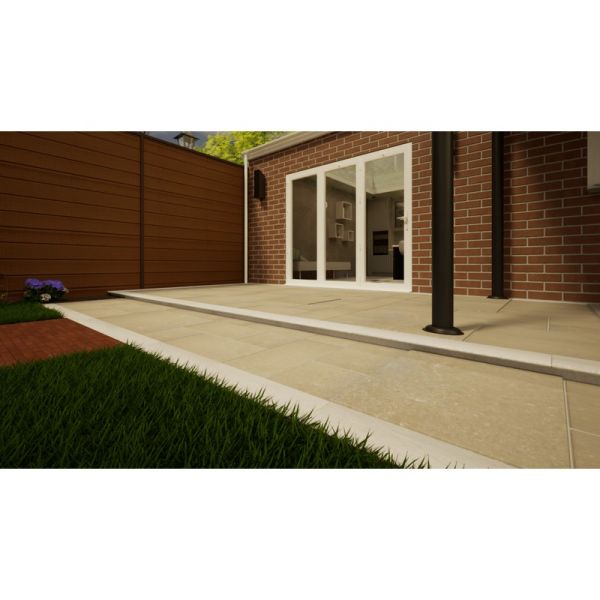
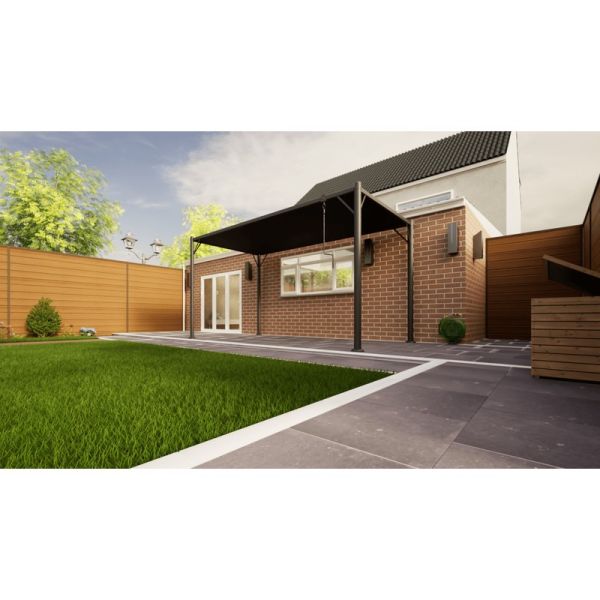
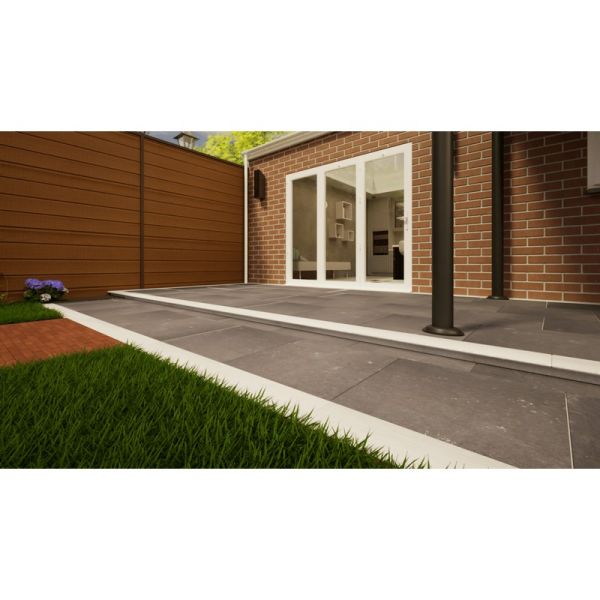
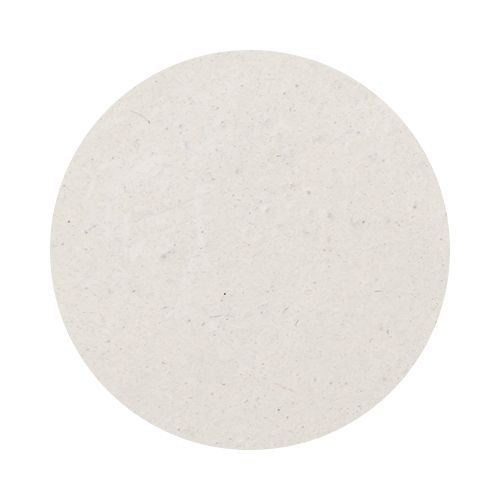
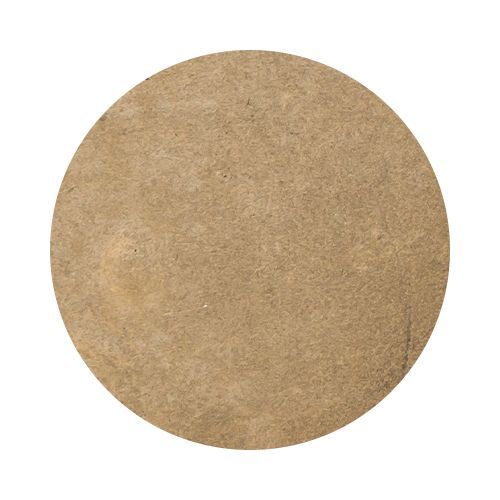
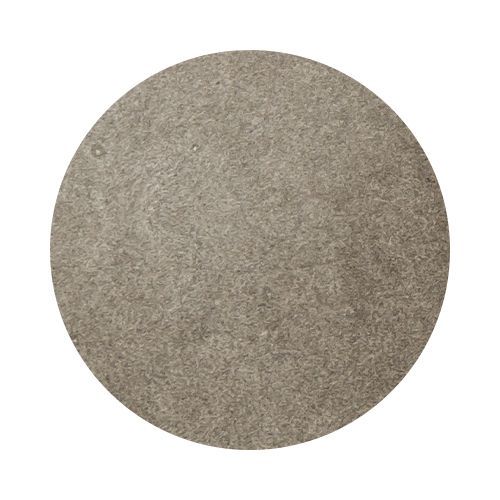
Limestone paving slabs feature a unique appearance, with embedded pieces of small shells and fossils interspersed throughout the stone slabs. A great choice for contemporary spaces and rustic areas alike, our limestone slabs are available in a range of soft hues to subtly complement the surrounding area.
Limestone patio slabs are manufactured using completely natural materials, featuring natural veining to make them stand out. Take a look at the full range below.
Because our whole range of stone slabs is manufactured using naturally occurring materials, no two slabs are the same, with distinctive veining, harmonious variations in shade, and even shards of fossils and shells found in the stone.
Tough yet easier to work with than other natural stone alternatives, sandstone is known to be one of the best paving materials. Limestone is also a great choice, offering unique contemporary aesthetics.
It couldn’t be easier! This hard-wearing stone can be cleaned by pressure washing, without causing damage to the material.
If left unsealed, limestone can become stained or scratched much more easily. It’s always best to ensure that your stone paving is sealed before installation to avoid this.
Because limestone is an acidic material, it’s a good idea to routinely clean it with a pH-neutral cleaner. Household detergents are generally acidic and should be avoided, as this will cause damage to the limestone.
In this section of our guides and tips hub, you will find installation guides, product reviews and answers to frequently asked questions about our porcelain and stone paving product ranges.